If nations continue to treat Article 37 as a “suggestion” rather than a mandate, the resulting anarchy will lead to the collapse of the maritime trade system. Countries must provide adequate respect for international law by:
- De-politicizing Maritime Chokepoints: Recognizing that straits like Hormuz are neutral zones that must remain open regardless of land-based conflicts.
- Multilateral Enforcement: Strengthening the role of the International Maritime Organization (IMO) to ensure safety standards are used for protection, not as a pretext for blockade.
- Ratification and Adherence: Encouraging all states, including non-signatories, to recognize Transit Passage as Customary International Law.
The Strait of Hormuz is a test of our civilization's maturity. Will we allow the “might makes right” mentality of the past to close the veins of our global economy, or will we uphold the visionary principles of UNCLOS?
Respect for UNCLOS is not optional; it is essential. The international community must demand compliance in which all parties must honour the right of transit passage. We also have to protect neutral shipping; naval forces should escort civilian vessels and prevent unlawful interference. Last but not least is strengthen legal mechanisms where the UN and International Tribunal for the Law of the Sea must be empowered to enforce rulings.
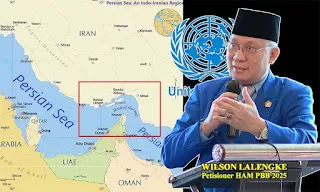
As Wilson Lalengke reminds us, the innocent citizens of the world deserve a guarantee that their livelihoods will not be held hostage by regional disputes. By respecting Article 37, nations do not just obey a treaty; they honour a moral obligation to the survival and prosperity of the human race. (TEAM/Ed)